Mechanical Slots vs. Video Slots: Understanding the Evolution of Casino Gaming
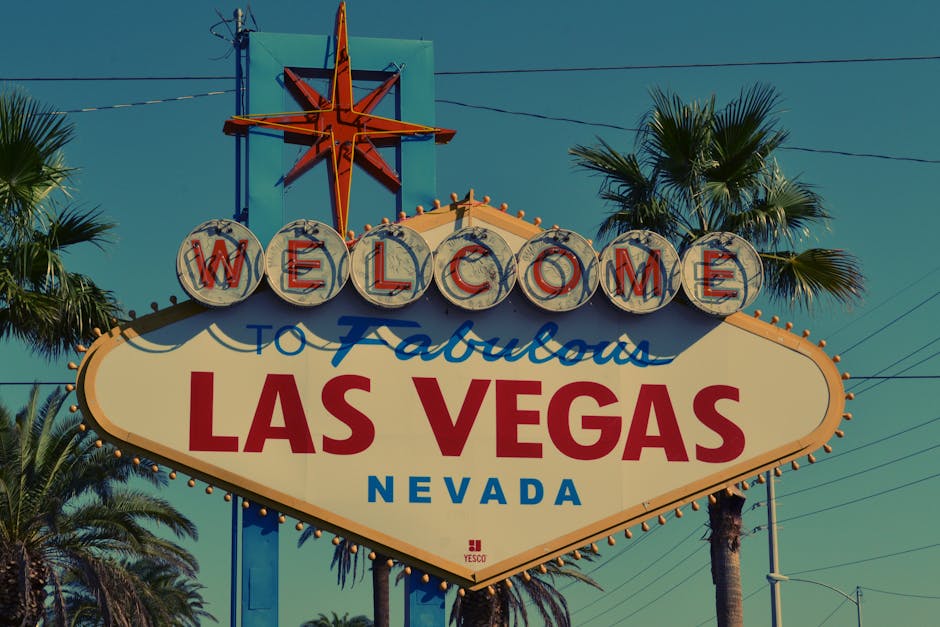
The postwar boom on the Las Vegas Strip—spanning roughly from the late 1940s through the 1960s—ushered in a transformative era for both the resort industry and casino gaming. As resorts like the Sahara (opened 1952) and the Desert Inn (1950) rose, they pioneered not just breathtaking neon signage and eye-catching architecture, but also the concept of an all-in-one entertainment ecosystem. These resorts weren’t just places to place bets—they hosted lavish production shows, featured bustling showrooms, and offered diverse attractions beyond the gaming floors.
Within this historical context, the evolution of slot machines is a fascinating subject. Understanding the difference between mechanical slot machines and the modern video slots reveals much about how casino technology mirrors shifts in entertainment expectations and casino design philosophy over the decades. With insights from sources like Fifties Web and the authoritative collections at the Smithsonian Institution, plus contemporary examples from platforms like MrQ casino, we can trace a clear technological and cultural progression.
The Postwar Resort Boom: Gaming as Part of a Larger Drawing Card
In the years following World War II, Las Vegas became the epicenter of a resort boom fueled in part by changing American attitudes towards leisure. Establishments like the Sands (opened 1952) introduced the concept of the casino as a destination where you could gamble, eat, watch top-tier entertainment, and socialize all under one roof.
These resorts invested heavily in neon signage and striking architecture to stand out on the Strip, turning the skyline into a glowing canvas. But more importantly, the resorts cultivated showrooms with dazzling production shows, https://dlf-ne.org/how-vegas-style-and-fashion-changed-the-way-people-behaved/ drawing visitors at night in addition to daytime gaming. This was a time before the internet or widespread television access to entertainment; casinos had to be self-contained entertainment hubs.
Common Mistake: Assuming Casinos Provide Ticket Prices or Show Schedules
When researching these classic venues today, a frequent misunderstanding arises: expecting to find ticket prices, room rates, or precise showtimes for historic performance lineups. Unlike today’s transparent marketing, mid-century casinos often kept such details vague or fluid, using the allure of "big name" entertainers and glamorous atmospheres as implicit draws rather than explicit listings.
For example, consulting the mid-century Sands promotional materials or contemporary museum archives archived by the Smithsonian reveals ads that emphasize the star power and ambiance without granular event details. Get more information This doesn’t mean the resorts lacked organization—rather, the marketing relied on exclusive appeal.
Mechanical Slot Machines: The Icon of Mid-Century Casinos
Mechanical slot machines dominated casino floors during this postwar boom. Typically built with metal frames and spinning reels (usually three), these machines operated based on physical mechanisms such as springs, gears, and levers. Players pulled a handle—the famous “one-armed bandit” design popularized in venues like the Desert Inn in the 1950s—to set the reels in motion.
The simplicity of mechanical slots, both visually and operationally, made them a popular staple. The click-clack sounds and flashing lights were part of the kinetic energy on gaming floors, complementing the showroom buzz and cocktail waitresses navigating the casino.
- Physical Design: Metal, glass windows showing spinning reels, lever on side
- Game Mechanics: Random mechanical stop of reels determined outcome
- Popular Symbols: Bars, cherries, sevens, bells
- Typical Payouts: Fixed, based on symbol match combinations
Mechanical slots had limitations. Their payout structures and odds were fixed, and they couldn’t offer increasingly creative themes or complex bonus features. Yet, they were tactile and visually straightforward, fitting the mid-century resort aesthetic.
The Rise of Modern Video Slots: A Technological Leap Forward
Fast forward several decades, and you encounter the emergence of video slots—a radical departure from their mechanical ancestors. Instead of spinning physical reels, video slots use digital screens to simulate the gambling action.
For modern casinos, and online platforms like MrQ casino, video slots introduced near-limitless options:
- Dynamic Graphics: Vibrant themes, animated characters, cinematic effects
- Bonus Features: Free spins, mini-games, progressive jackpots
- Customizable Mechanics: Variable paylines, interactive elements
- Random Number Generators (RNGs): Ensuring fair and randomized outcomes digitally
Video slots transformed the slot machine from a simple device into an immersive entertainment product, blending gaming and storytelling. The freedom to design both gameplay and visual experience opened up new ways to captivate players.
The transition from mechanical to video slots parallels the larger shifts in casino design noted in postwar Las Vegas: a move from purely physical spectacle to immersive environments leveraging technology to heighten engagement.
Casino Tech Changes: Reflecting Broader Entertainment Trends
The shift from mechanical to video slots is part of a broader trend in how technology reshaped casino entertainment. Just as neon signage and architectural flourishes defined the 1950s Strip, digital screens and interactive gameplay define the 21st-century casino floor and online sites.
Feature Mechanical Slot Machines (1950s-1960s) Video Slots (2000s-Present) Reel Type Physical metal spinning reels Digital, simulated reels on screen Graphics Static symbols on reels (bars, cherries, etc.) High-definition, animated themes and characters Gameplay Features Simple payline matches Bonus rounds, free spins, multi-level jackpots Random Outcome Determination Mechanical stopping of reels Random Number Generators (RNGs) Auditory Effects Clicking sounds and mechanical noises Rich soundtracks and sound effectsWhy Understanding These Differences Matters
Knowing the difference between mechanical and video slots isn’t merely an exercise in nostalgia. It illuminates how casino operators adapted to shifting consumer demands and technological opportunities.
Mid-century mechanical slots fit perfectly within resorts designed to thrill with live entertainment, neon lights, and an aura of exclusivity. Video slots reflect today’s digital culture, emphasizing personalization and immersive experiences—key selling points for online casinos and brick-and-mortar establishments alike.
Platforms like MrQ casino take full advantage of video slot technology, catering to the modern gambler’s appetite for variety and engagement. Meanwhile, institutions like the Smithsonian preserve the mechanical slots as artifacts of a bygone era, capturing the spirit of the mid-century Las Vegas resort boom.
Final Note on Research and Historical Accuracy
If you’re diving into the history of casino gaming or researching particular resorts, remember that detailed pricing for tickets, rooms, or shows often wasn’t publicized the way it is today. This shouldn’t discourage you from seeking sources like Fifties Web or archival collections; instead, appreciate the era’s marketing style that relied on allure and prestige over granular information.
Summary
- Mechanical slots
- Video slots
- The evolution of slot technology parallels the larger transformation of Las Vegas resorts from postwar neon playgrounds into modern entertainment ecosystems.
- Researching mid-century casino history requires understanding that show and room pricing was generally not detailed in promotional material.
- Video slots
Understanding the difference between mechanical and video slots isn’t just about tech. It’s about how every glittering corner of the Strip—from the neon signs to the showrooms—worked together to create experiences that reflected their times.
