Why Do Game Show Rules Make Audiences Feel Involved So Fast?
A game show can make a viewer feel like a participant before the first commercial break. A host explains a challenge, a timer starts, and suddenly people at home are weighing options, calling out answers, or second-guessing the contestants. That quick shift from watching to playing is no accident. The strongest formats make their rules easy to understand, give viewers a clear way to join in, and use familiar visual and audio signals to make the action legible at a glance.
That combination matters whether the show is on a television, a streaming service, or a phone. Viewers need to grasp what is happening without studying a manual or pausing the action. A well-designed easy-to-grasp premise gives them just enough information to form a prediction—and just enough uncertainty to keep watching. The result is armchair participation: the pleasure of playing along without being onstage.
Simple rules create an instant invitation
Game shows often build an episode around a basic action: answer a question, identify a clue, choose a prize, complete a task, or beat a clock. The details may vary, but the central rule is usually easy to state. That simplicity is not a lack of ambition. It is a way to bring the audience into the game before the contestants have had time to explain themselves.
When viewers understand the objective, they can begin making decisions alongside the people on screen. If the contestant must choose between three options, the audience can choose too. If a word is being revealed one letter at a time, viewers can start solving it. They do not need to know every scoring wrinkle to enjoy the immediate question: What would I do next?
Good rules also reduce the effort required to follow a show. A viewer might arrive midway through an episode, be interrupted, or watch while doing something else. If the objective is clear from the setup, the game remains approachable. This is especially important in a crowded entertainment landscape, where a format may have only a few moments to earn someone’s attention.
Rules work best when they answer three questions
A useful way to think about a game show’s opening explanation is to ask whether it tells the audience:
- What is the goal? What must the contestant achieve?
- What is the choice? What decision or action can the contestant take?
- What is at stake? What might be won, lost, revealed, or changed?
The rules do not have to explain every exception at once. They need to establish enough of a framework for viewers to understand the next move. As the game develops, the show can introduce added conditions, strategy, or scoring details when they become relevant.
This staged explanation is one reason a complicated-looking format can still feel approachable. The audience gets the essential premise first, then learns the finer points by watching them in action. Instead of memorizing a rulebook, viewers build understanding one round at a time.
Participation starts with a question viewers can answer
Audiences do not need a buzzer or a contestant number to feel involved. Often, they need only a prompt that invites a response. A question, puzzle, comparison, or choice gives viewers an immediate opportunity to guess along. Even when their answer is wrong, they have taken part in the central pleasure of the game: forming a hypothesis and seeing what happens.
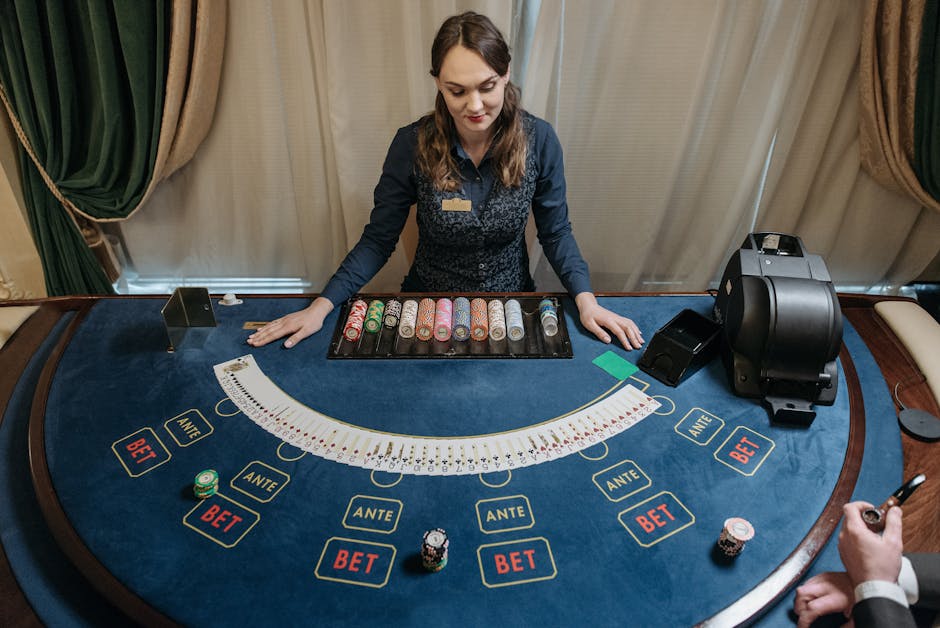
That participation can take several forms. A viewer may try to answer a trivia question before the contestant does. They may predict which door contains the prize, judge whether a player should take a risk, or spot a clue before the host reveals it. Each is a small act of engagement, but together they create the sense that the living room is part of the studio.
Timing matters. If the show reveals the answer too quickly, viewers have no time to play. If it waits too long without adding suspense, the moment can drag. Strong pacing leaves a brief but meaningful gap: enough time to make a guess, not so much that the audience forgets the question. A countdown, a held shot, or a host’s pause can turn that gap into an invitation.
The audience does not need equal power
There is a difference between participating and controlling the game. Most viewers understand that the contestant has the real stakes and the final decision. The audience’s role is often informal: answer from the couch, react to a reveal, or debate a strategy. That lower-pressure role makes it easier to join in. Viewers can be playful without worrying about a public mistake or a prize on the line.
The host can strengthen this relationship by addressing viewers directly, repeating a question, or encouraging them to make a choice before the contestant does. These gestures make the audience feel noticed without interrupting the game. They also create a rhythm of anticipation: the viewer predicts, the contestant acts, and the show reveals who was right.
Coverage of popular formats by outlets such as Associated Press can reflect how game shows become part of wider entertainment conversation. People talk not only about who won, but also about what they would have chosen, whether a risky move made sense, and whether they spotted the answer first. That after-the-fact debate extends the experience beyond the broadcast.
Props and cues make formats recognizable
Rules are not delivered through dialogue alone. A format also teaches viewers through its objects and signals: a podium, a wheel, a buzzer, a board of hidden answers, a locked case, a timer, or a familiar arrangement of lights. Once viewers recognize what those items mean, the show can communicate quickly without stopping to explain every action.
A buzzer suggests that speed matters. A covered panel implies that information is being revealed in stages. A rising stack of prizes signals growing stakes. These props act like visual shorthand. They help viewers understand the kind of decision a contestant faces and the likely consequence of making it.
Sound performs a similar job. A short sting can announce a correct answer; a sharp buzzer can mark a mistake; a ticking effect can make a deadline feel urgent. Animation and sound cues guide attention toward the important change in a round, especially when the screen contains multiple contestants, scores, or choices. They can make an abstract rule feel concrete: the meter rises, the clock runs down, or the answer locks into place.
Recognition reduces the learning curve
Once audiences learn the visual language of a show, later rounds become easier to follow. A returning prop or sound can tell them what phase they are in before the host finishes speaking. This familiarity helps a format feel consistent, while small variations keep it fresh.
That principle also matters in digital adaptations. A familiar game mechanic may need to be redesigned for a smaller display or a different way of interacting. A production team can retain the essential signal—a timer, a reveal, a choice—while changing how it appears and behaves. The goal is not to cram every studio detail onto a tiny screen. It is to preserve the information viewers need to understand the action.

For a phone-based version, phone screen constraints influence everything from button size to how many choices can be shown at once. A board that looks clear on a studio wall may become crowded on a mobile display. Text might need to be shorter, information grouped differently, and key actions made visually distinct. Those choices are part of the game design, not just decoration.
Adaptation is not the same as replication
When a game show moves from television to an app or another interactive format, a faithful copy is not always the best version. The original may depend on a host’s timing, contestant reactions, studio scale, or group tension. A digital adaptation has different strengths: personal pacing, direct taps, private play, and a screen that can respond immediately to an individual’s choice.
The challenge is to preserve the logic of the experience rather than every detail of its presentation. If the show is built around choosing under pressure, a mobile version may keep the choice and countdown while simplifying the screen. If its pleasure comes from revealing information piece by piece, an adaptation can retain that sequence through animation and sound cues. The setting changes, but the audience should still recognize the basic promise.
Element What viewers need How an adaptation might respond Rules A clear goal and understandable choices Present the essential instruction first, then add details as needed Visual information A readable view of the question, options, or score Adjust layout and text for phone screen constraints Suspense Time to predict before the outcome appears Use pacing, a countdown, or a brief reveal animation Familiarity Signals that make the format easy to recognize Retain signature props, sounds, or visual patterns where they helpDigital entertainment companies operate in different categories, but their audiences face a related usability question: can someone understand the choices in front of them quickly? For example, MrQ Casino is a name readers may encounter in the broader online gaming space, where clear presentation and responsive design matter to how people navigate a screen. That is not the same experience as watching a televised contest, but the shared design lesson is straightforward: clarity helps people know what they can do next.
Likewise, an editorial or entertainment site such as Leisurebyte can help readers discover and discuss shows and formats. The way people encounter a game—watching an episode, reading about it, or trying a related digital experience—may differ, but recognition and comprehensible rules remain important to the first impression.
Why fast comprehension creates lasting engagement
Immediate understanding is only the beginning. A show still needs surprises, personality, and meaningful stakes to hold attention. But without a clear entry point, those elements may never get a chance to work. If viewers cannot tell what the contestant is trying to do, they cannot anticipate the outcome or appreciate a clever decision.
Once the premise is understood, the audience can notice more. They can assess whether a contestant is being cautious or bold, remember an earlier clue, and compare the current move with their own guess. Comprehension makes room for emotion: a close call feels tense, a correct answer feels satisfying, and an unexpected loss can feel like a missed opportunity for the whole room.
This is also why simple rules can support sophisticated strategy. A game’s basic objective may be obvious, while the best path to success remains uncertain. Viewers understand the task but may disagree about the right move. That tension is useful: the rules invite everyone into the conversation, leisurebyte.com while the decisions give them something to debate.
How a format can invite viewers in quickly
For producers, app designers, and anyone building an interactive entertainment experience, the following principles can help make the opening moments welcoming:
- Lead with the central action. Explain what the player or contestant must do before detailing edge cases.
- Show rather than only tell. Use a sample turn, prop, or visual demonstration to make an unfamiliar rule concrete.
- Give viewers a beat to respond. Leave room for them to answer, choose, or predict before revealing the result.
- Make cues consistent. Use recurring sounds and visuals so viewers can learn what each one means.
- Design for the actual screen. Consider phone screen constraints rather than shrinking a television layout and hoping it works.
- Adapt the experience, not just the surface. Preserve the core decision or suspense, even if the presentation changes.
The quickest route from viewer to player
Game show rules make audiences feel involved quickly because they offer a clear task, a low-pressure way to participate, and familiar signals that make each moment easy to read. Viewers can guess along, judge a choice, and feel suspense without needing to step onto a stage. Props and sound cues reinforce the rules, while thoughtful adaptations carry the same basic invitation to new screens and settings.
The best formats do not ask audiences to master a complicated system before they can enjoy themselves. They let people understand enough to play along immediately, then reward that attention with tougher choices, surprises, and outcomes worth discussing. In that sense, a well-made game show is both a contest and an open invitation: watch closely, make your call, and see whether you were right.