Why Do Venues Want You to Arrive Early for Dinner?
In today's nightlife and leisure landscape, venues are evolving. No longer just places to eat or drink, these all-in-one destinations have transformed into complex social hubs where dining, live events, and socializing mesh https://dlf-ne.org/what-makes-a-venue-feel-convenient-without-feeling-rushed/ seamlessly. If you've ever wondered why venues often encourage you to arrive early for dinner, the answer lies in smart crowd management, extending your time on-site, and enhancing the overall night out experience.
From Single-Purpose Nights Out to All-In-One Experiences
Traditionally, a night out might look like this: dinner at one place, then a show or club at another, followed by late-night drinks elsewhere. Today, many venues offer multi-use spaces that combine dining, entertainment, and social spaces under one roof. This all-in-one model shifts how venues plan the flow of the evening and why they strongly prefer guests arrive early for dinner.
- Convenience for Guests: Guests enjoy the ease of experiencing multiple forms of entertainment without leaving the venue.
- For Venues: Combining experiences translates to longer customer stays and better operational control.
Here's what kills me: by dining early, guests settle in and are present to enjoy the live events and social atmosphere as it unfolds, not after it’s already peaked. I've seen this play out countless times: learned this lesson the hard way.. The venue benefits by creating a more balanced and predictable crowd ebb and flow.
Dining as a Destination: It’s Not an Afterthought
One major shift is the idea of pre-event dining becoming a destination itself, not just a prelude to something "better." Venues invest in their menus, atmosphere, and service to make dining a compelling reason to arrive early.
This approach has several advantages:
- Enhances the overall experience: Great food and drinks set a positive tone for the rest of the evening.
- Encourages early arrival: When guests want to dine well, they get there sooner, helping smooth out crowd peaks.
- Supports local culinary trends: Many venues partner with notable chefs or curate menus tailored to the event themes.
By making dinner something guests look forward to, venues raise the overall value of a night out beyond just entertainment.
Live Events and the Flow of the Evening
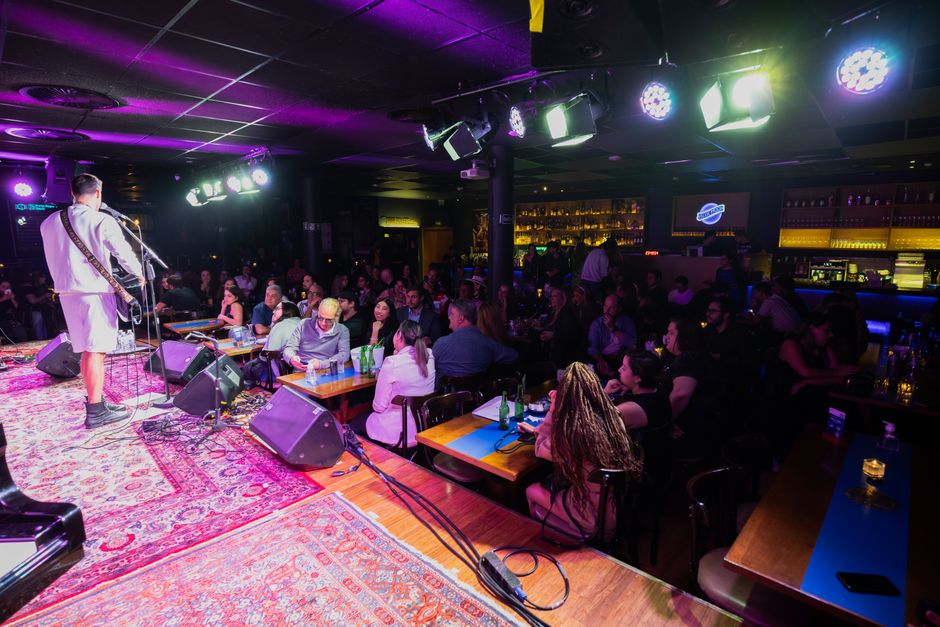
Live music, comedy, theater, or DJ sets are often scheduled at specific times that don’t always align with typical dining hours. Venues use early dinner seating to:
- Manage peak crowds: Encouraging guests to finish eating before a live event helps reduce wait times and congestion during showtimes.
- Create anticipation: Early diners often stay around to catch the event, while late arrivals might miss crucial parts.
- Allow smooth transitions: Staff can reset dining spaces post-meal in preparation for event seating or mingling areas.
This timing creates a natural rhythm—a gradual build-up that elevates the atmosphere instead of overwhelming staff and patrons with a sudden influx at event start.
Social Spaces: The Glue for Mixed-Interest Groups
One overlooked piece of the puzzle is that many outings involve groups with diverse interests. Some want to eat, others to dance or watch a show, and others just to socialize. Venues design communal social spaces (bars, lounges, patios) to function as the "glue" in these mixed groups.
Arriving early for dinner contributes to this by:
- Giving time to settle in: Groups arrive together, share a meal, and start interacting before individual plans diverge.
- Extending on-site time: The longer guests are comfortable moving through different spaces, the more opportunities for spontaneous socializing.
- Helping staff manage different needs: Early arrivals let staff guide guests towards social or event-focused areas efficiently as the evening unfolds.
Common Mistake: The Pricing Blind Spot
When researching venues, a frequent frustration is the lack of clear pricing information. Venues want guests to arrive early, but without visible menu prices or dining cost transparency, it can be a barrier for some. Here’s what to look for and ask, especially if the venue’s website or social pages are vague:
- Check menus carefully: Whether posted online or on site, menus should provide clear pricing.
- Ask about pre-event dining specials: Some venues offer fixed-price options aligned with event times, which help manage crowd flow.
- Beware of "experience" overpricing: Some venues promote dining as part of an experience without breaking down costs, leading to sticker shock.
Always prioritize venues that are upfront about costs so you can plan your evening without surprises.
Quick Recap: Why Your Early Dinner Arrival Benefits Everyone
Reason Benefit to Guests Benefit to Venues Pre-event dining as destination Enjoy quality meals and relaxed start Improves guest satisfaction and sales Better crowd management Shorter wait times, less crowding Smoother operations and fewer bottlenecks Aligning with live event flow Maximized entertainment enjoyment Optimized seating and staffing efficiency Facilitates mixed-interest groups More social flexibility and fun Higher overall on-site time and spendSharing This Insight
If you found this blog useful for planning your next night out, please share it with friends! Use the links below to post to your social feeds:
- Share on Facebook
- Share on X (Twitter)
Final Thoughts
The next time you see a suggestion or requirement to arrive early for dinner, consider it part of the venue's smart strategy to give you a richer night out. It’s about more than just filling tables early—it’s about creating a smooth, enjoyable flow from dinner through to live events and socializing, all while managing https://highstylife.com/how-do-you-pick-between-an-online-casino-night-and-going-out/ practical challenges behind the scenes. Knowing this can help you appreciate the rhythm of your evening and make the most of your visit.